

Show summary Hide summary
- What it means to be a sinker specialist
- Postseason strengths: why the sinker can be an asset
- Key limitations and matchup risks
- How usage might change in October
- What analytics and coaching staff will watch
- How hitters and managers adjust
- Factors that will decide whether it works in October
- Final perspective
Shane Drohan has apparently shifted his primary pitch toward a sinker, a change that reshapes how hitters see him and how managers might deploy him late in the season. The move raises a clear question: does specializing on a sinking fastball translate into reliable October performance?
What it means to be a sinker specialist
Switching to a sinker-first approach usually signals a pitcher is prioritizing movement and contact management over swinging strikes. A sinker is designed to jam line drives and induce grounders by riding and then dropping as it reaches the plate. For a pitcher like Drohan, this can mean fewer long flies and more two-out, double-play opportunities.
NCAA files suit contesting Ohio governor’s order on fifth-year eligibility
Wisconsin’s homecoming matchup with Michigan State: three predictions
That profile changes both a pitcher’s role and value. Starters who induce ground balls can be extremely useful in high-leverage innings, especially on heavy infields or when protecting slim leads. Relievers who run the sinker effectively can neutralize potent lineups by limiting extra-base hits.
Postseason strengths: why the sinker can be an asset
In October, margin for error tightens and contact quality matters more than raw velocity. A well-located sinker can force hitters into weak contact, which is precisely the sort of outcome managers covet in short playoff series.
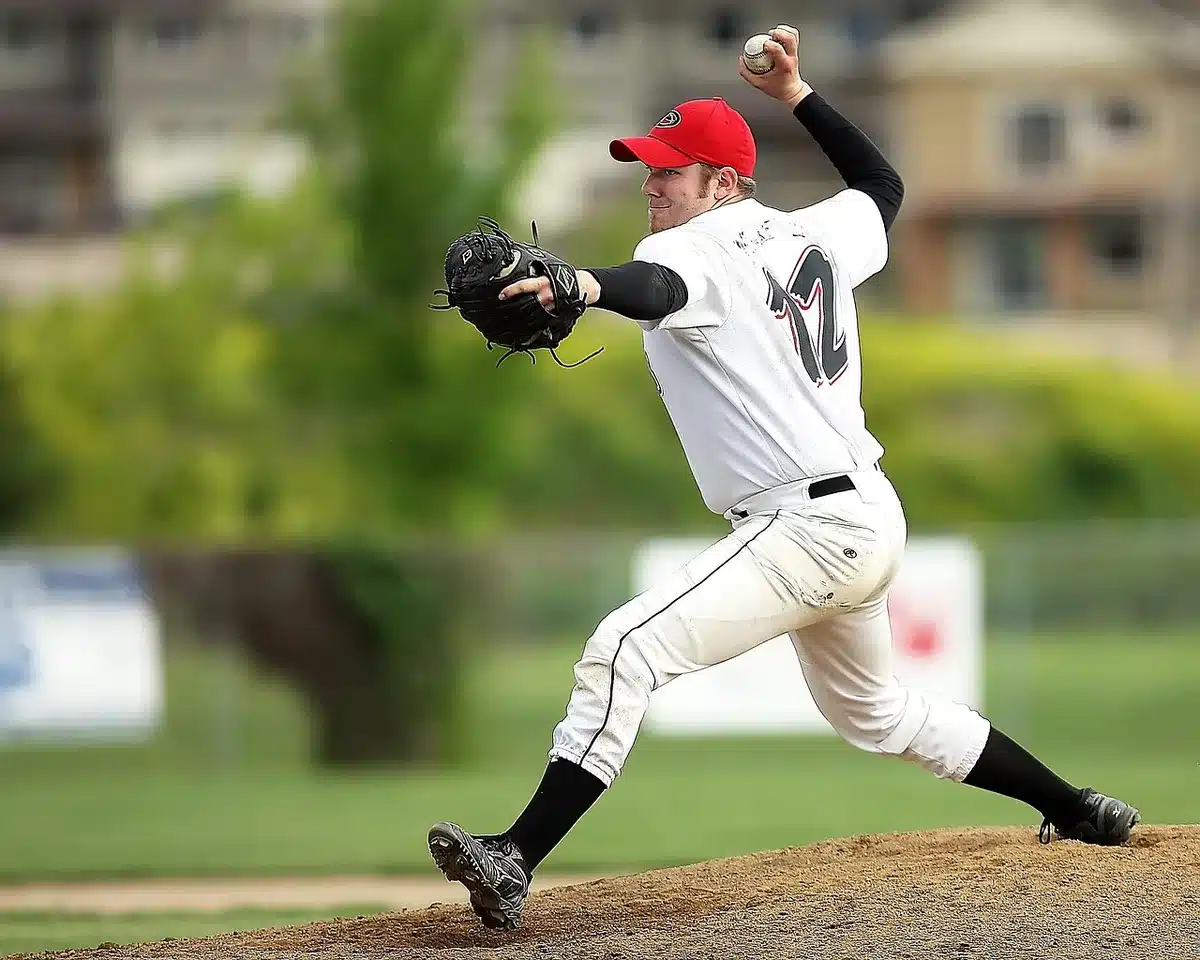
Ground-ball pitchers also put more pressure on defenses. When an opponent lacks a sure-handed infield, or when the ballpark suppresses the long ball, a sinker-heavy approach can magnify its effect. Additionally, if a starter can run a sinker with consistent command, opposing managers may struggle to get sustained rallies against him.
Key limitations and matchup risks
There are trade-offs. Sinker pitchers tend to allow more contact overall, which means balls are put in play more often. If defenses commit errors or an opposing lineup is built around gap-to-gap hitters who punish low pitches, the sinker can be less effective.
Another risk is predictability. If a pitcher leans too heavily on one offering without a reliable secondary pitch, hitters can adjust over a series. In October, scouting is intense. Teams collect more data and make quicker adjustments. A reliance on a single pitch type can be exploited.
How usage might change in October
Role flexibility matters. A sinker-first starter who can go multiple innings and limit hard contact is useful as a traditional starter. But the same arsenal can also be valuable in high-leverage relief appearances, where inducing a quick grounder is often the goal.
Managers will weigh matchups carefully. Left- or right-handed splits, lineup construction, surface conditions, and defensive alignment all influence whether Drohan would start, follow a starter, or be used as a matchup arm late in games. October series are short; teams often prefer pitchers who can repeatedly execute a specific game plan rather than those who are unpredictable in traffic.
What analytics and coaching staff will watch
Coaches will focus on a handful of measurable traits. First, consistent vertical and horizontal movement on the sinker matters. Second, the ability to locate the pitch to both gloveside and arm side will determine how often hitters square it up. Third, a complementary pitch—such as a breaking ball or changeup—remains important to keep hitters honest.

Velocity stability is also relevant. A sinker that loses life late in an outing becomes easier to lift and punish. Conversely, a sinker that maintains its movement and velocity deep into games preserves its postseason value.
How hitters and managers adjust
Opposing hitters typically look to elevate sinkers by staying on top of the ball or to beat them the other way if the pitch tails into the hitter’s barrel. Teams facing a sinker-heavy pitcher might emphasize walks and power contact, accepting more ground balls in pursuit of occasional extra-base hits.
Managers can counter by shifting defenses, employing quicker relievers, or changing batting order exposure to force tougher matchups. In short series, small adjustments can have outsized effects.
Factors that will decide whether it works in October
- Command: Can Drohan consistently hit his spots with the sinker under pressure?
- Complementary pitch mix: Does he have a reliable secondary offering to disrupt timing?
- Defensive support and matchup context: Are his teammates equipped to turn grounders into outs?
Final perspective
A move to a sinker-first profile can extend a pitcher’s usefulness and offer a clear plan for autumn usage. But postseason success depends on more than one pitch. Execution, adaptability, and context will ultimately determine whether this approach holds up when stakes are highest.








