
Show summary Hide summary
October series force teams to attack hitters in the moment. Facing the Brewers’ top bats, opponents will lean on precision sequencing, matchup-driven bullpen use, and defensive positioning to blunt power and force weak contact.
Scouting and the analytics roadmap
Postseason planning begins with data. Teams study exit velocity, swing tendencies, and chase rates to identify where Milwaukee’s hitters are most vulnerable. Scouting reports focus less on raw talent and more on repeatable patterns that pitchers can exploit in short series.
Wisconsin football sees players rise and fall after convincing win over USC
Tyler Herro’s late-game inconsistency keeps him from becoming a clear No. 1

Analytics departments will zero in on two practical targets: tendencies with two strikes and how hitters handle offspeed offerings. Those clues shape the plan pitchers bring to the mound each inning.
What pitchers will try
Expect a heavy emphasis on sequence over pure stuff. Rather than simply throwing harder, opposing staff will use contrasting pitch shapes and locations to create indecision. That means pairing elevated four-seamers with low breaking balls, and mixing late-breaking sliders with well-placed changeups.
Key tactical moves include attacking the edges and using the lower third of the strike zone to induce grounders and soft contact. When Milwaukee’s hitters show a tendency to chase, pitchers will expand the zone with biting breaking pitches out of the strike zone.
Conversely, when a hitter tends to sit on breaking balls, teams will elevate fastballs to change eye levels. That adjustment can limit loud contact and push balls to the opposite field, where defenders are better positioned to make plays.
Matchups and bullpen management
With the modern limits on pitching changes and roster construction, managers will still try to manufacture favorable matchups. Expect earlier-than-usual bullpen hooks if a starter gets into trouble against several hitters in a row.
But because deliberate lefty-righty platoons have less bite under current substitution norms, matchup planning will center on how a bullpen’s available arsenal complements the starter. Managers will prefer relievers who can execute two or three distinct looks rather than a single specialty pitch.
Defensive alignment and infield strategy
Defenses will move more often and with purpose. Against pull-happy batters, shifts and late-inning infield depth adjustments aim to turn extra-base hits into outs. Teams will also be more willing to shade infielders based on count and the specific sequence just thrown.
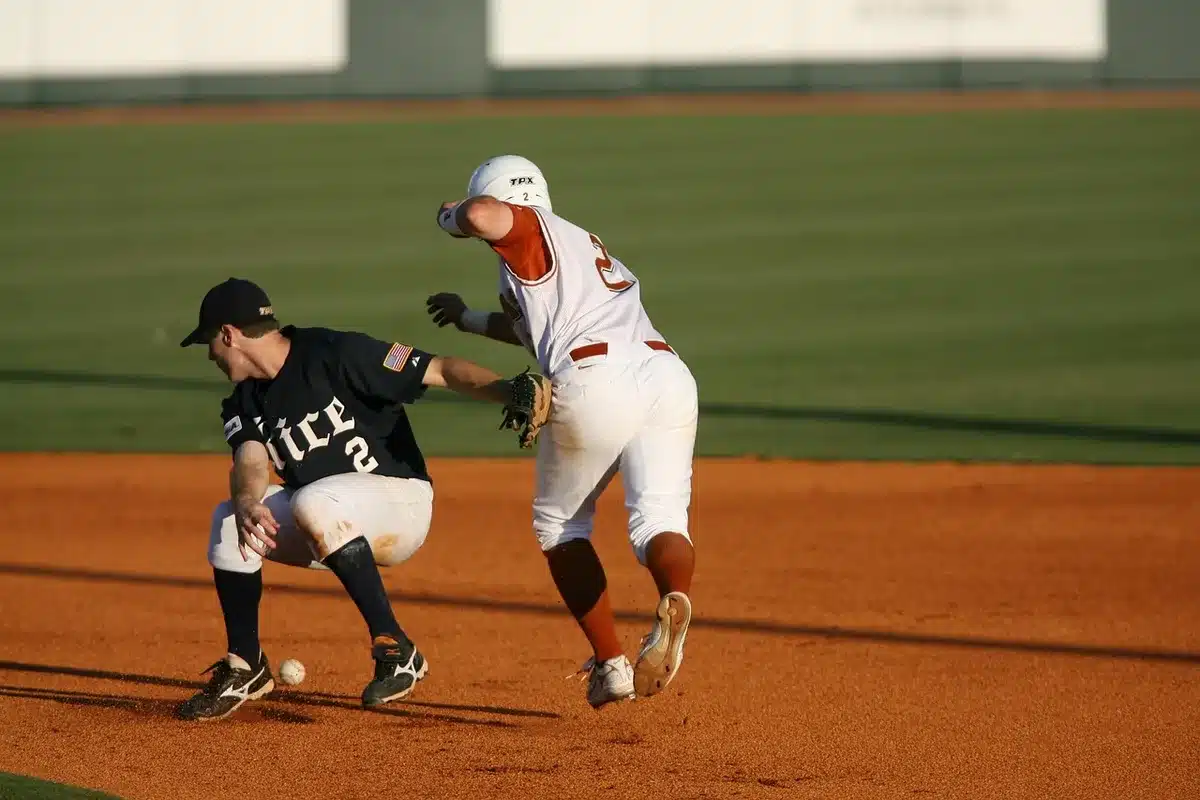
Outfield positioning will follow the data on launch angles and sprint speed. That can mean shallower or deeper alignment by inning and count, depending on whether the goal is to cut off doubles or prevent homers.
Late-inning considerations
In close games, every plate appearance magnifies. Managers will weigh intentional free passes less often than tactical pitching choices that force hitters into two-strike counts. That approach prioritizes swing-and-miss pitchers or those who induce weak contact over simple matchup avoidance.
Similarly, pinch-hitting and defensive replacement decisions will hinge on how well the Brewers’ bench matches up in the moment. Opponents will try to limit situations where Milwaukee can replace an exposed hitter with a better platoon bat.
Psychology and in-game adjustments
October series are as much chess as power. Quick counters to a hitter adapting to a pitch—such as altering tunnel profiles or changing release points—can win a game. Pitchers who can vary timing and delivery subtly will have an edge.
Game callers will also use sequence memory. If a hitter succumbs to a particular look in one at-bat, teams will bring that pitch back later with slight variation to exploit the mental edge.
How Milwaukee can respond
The Brewers’ offense can blunt these attacks by diversifying approaches at the plate. Shortening up against breaking pitches, working deeper counts, and punishing poorly located fastballs all force opponents to broaden their plan.
Managerial adjustments matter too. Deploying bench options, mixing left-right lineup balance, and emphasizing situational hitting can force opposing staffs to throw more predictable pitches. That predictability creates opportunities for harder contact and run production.
Practical implications for fans
For viewers, October matchups will read like a series of micro-battles: pitch sequence versus swing plan, defensive shift versus pull tendency, bullpen staging versus late-inning resilience. Small adjustments can decide entire games.
- Watch two-strike approach: Who chases and who shortens up matters.
- Track pitch elevation: Elevated fastballs often neutralize power swings.
- Note bullpen usage: Early reliever pulls signal a matchup-centric strategy.
- Observe defensive shifts: They reveal where teams believe the threat lies.