Show summary Hide summary
The title of Milwaukee Brewers 2026 Minor League Pitcher of the Year marks a milestone for a prospect and signals potential help for the big-league club. Beyond a single-season stat line, the award highlights a player’s developmental progress and can influence roster moves, offseason plans, and fan expectations.
What the award represents
At its core, the Brewers’ Minor League Pitcher of the Year designation recognizes the farm-system arm whose season combined performance, consistency and growth. Teams typically weigh traditional statistics — such as innings pitched, earned run average and strikeouts — alongside more nuanced measures like pitch quality, command, durability and readiness to face higher competition.
Wisconsin football sees players rise and fall after convincing win over USC
Tyler Herro’s late-game inconsistency keeps him from becoming a clear No. 1
For the player, the honor is often less about a trophy and more about validation: it marks a point where pre-draft or low-level promise translated into tangible progress against pro hitters. For the organization, it provides a shorthand for which pitcher has made the clearest case for promotion or further investment.
Why it matters to the Brewers
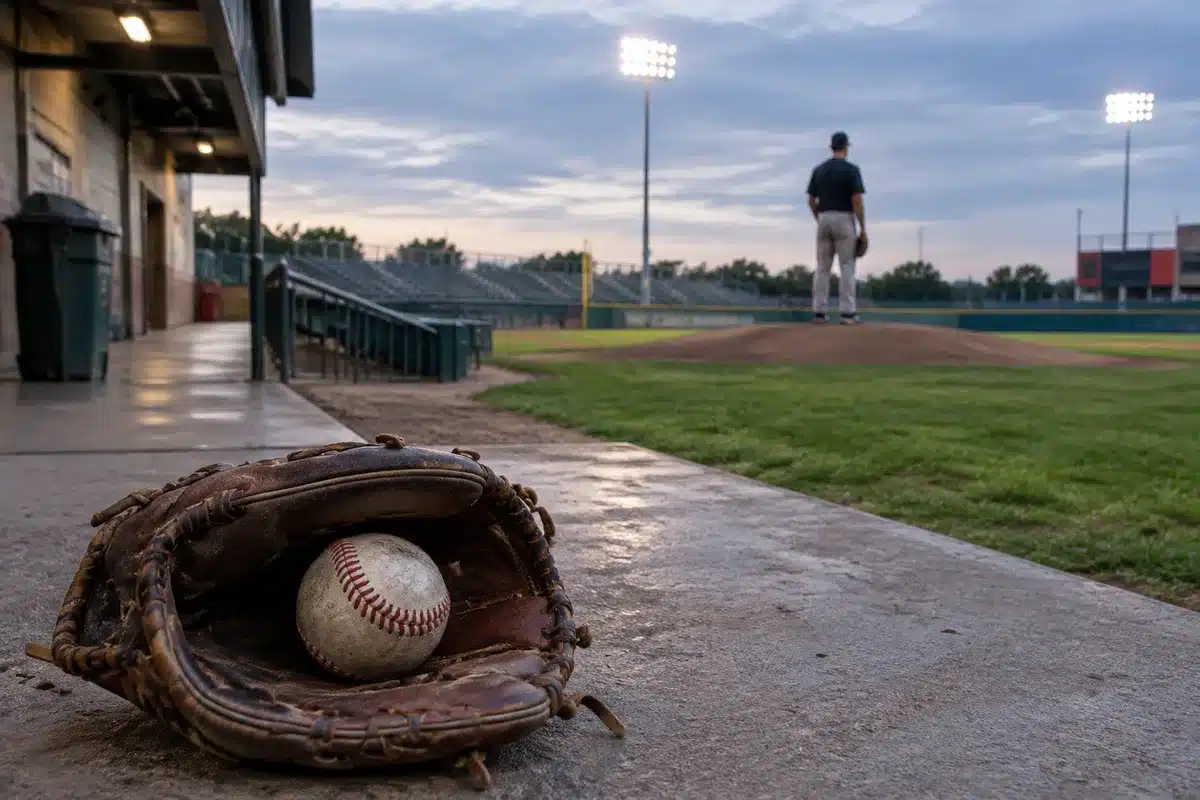
Pitching remains one of the most valuable and fragile assets in baseball. Identifying a reliable arm in the minors can change the club’s offseason calculus. A pitcher who closes the gap toward big-league readiness can reduce the need to pursue external rotation or bullpen help on the free-agent market or via trade.

Those implications are practical: a standout minor-league season can increase a prospect’s trade value, push a front office to add a player to the 40-man roster to protect him from the Rule 5 draft, or earn the pitcher an invitation to big-league spring training. Each outcome shapes how the Brewers allocate payroll, draft resources, and developmental attention the following year.
What scouts and coaches look for
Evaluators focus on a mix of results and repeatable mechanics. Velocity is a headline metric, but continuity in arm slot, the ability to locate pitches, and the quality of secondary offerings — a reliable breaking ball or developing changeup — often matter more when projecting future success.
Durability and workload history are also key. A pitcher who logs meaningful innings across multiple levels without a spike in injury concerns typically earns higher marks than one with flashier moments but limited endurance. Equally important is in-game adjustment: how a pitcher responds when scouting reports and opponents force them to change approach.
Typical next steps after the award
- Offseason assignment decisions — winter leagues, instructional programs, or rest and targeted training.
- Roster considerations — potential addition to the 40-man roster, spring-training invites, or placement on top prospect lists.
- Developmental focus — refining a secondary pitch, improving control, or building stamina for longer outings.
These routes are not mutually exclusive. The path chosen depends on the pitcher’s age, experience level, organizational depth and long-term plan laid out by Brewers player-development staff.
How fans should interpret the honor
The award is a meaningful indicator but not a guarantee. Many players who win organizational honors go on to help their major-league clubs; others encounter obstacles that delay or derail progression. Fans should view the designation as a clear signal that a prospect has earned attention, while remaining realistic about the unpredictable nature of pitching development.
That perspective helps temper expectations and places the accolade in context: it is both a reward for performance and a marker for what comes next in a player’s career arc.
Broader implications for the farm system
When a single farmhand stands out, it can reveal wider strengths or gaps in an organization. A strong pitching winner may point to effective scouting, coaching, and workload management. Conversely, if the award goes to a lower-level arm or one with limitations, it may prompt questions about depth at higher levels.
Front-office planners, opponents, and media alike use these signals when assessing team trajectory and trade leverage. For the Brewers, the identity of the 2026 Minor League Pitcher of the Year will offer one more data point in evaluating the health of their pitching pipeline.
What to watch next season
After the award is announced, observers should track a handful of indicators: whether the pitcher receives a spring-training invite, appears on the 40-man roster, or is assigned to higher competition early in the season. Monitoring offseason reports about velocity, pitch development and any workload changes will also be revealing.
Those elements will determine whether the recognition evolves into meaningful major-league opportunity or becomes a bright moment in a longer developmental timeline. Either way, the designation will remain a focal point for analysts following the Brewers’ pitching future.