
Show summary Hide summary
With the National League Division Series approaching, the Milwaukee Brewers are using their scheduled break not as downtime but as a focused window for recovery, matchup planning and roster fine-tuning. How a club spends its off days can shape pitching rotations, lineup choices and the team’s physical readiness for high-stakes postseason baseball.
Rest and recovery take priority
Postseason baseball demands maximum freshness, and teams commonly treat a bye week as a chance to manage fatigue. Players battling minor aches receive targeted rest and treatment rather than full days off. That approach reduces the risk of late-season flare-ups and keeps key contributors available when the postseason begins.
Wisconsin football sees players rise and fall after convincing win over USC
Tyler Herro’s late-game inconsistency keeps him from becoming a clear No. 1
Strength and conditioning staff will often scale back heavy lifts and emphasize mobility work, soft-tissue therapies and recovery modalities. These measures are aimed at preserving players’ explosiveness and range of motion for defensive plays and sprinting in the field.
Pitching plans and bullpen rhythm
For a staff preparing for a short series, a bye week is an opportunity to reset the rotation and calibrate the bullpen. Coaches weigh the benefits of preserving an ace for a potential Game 1 start against the tactical flexibility of using him later in the series.

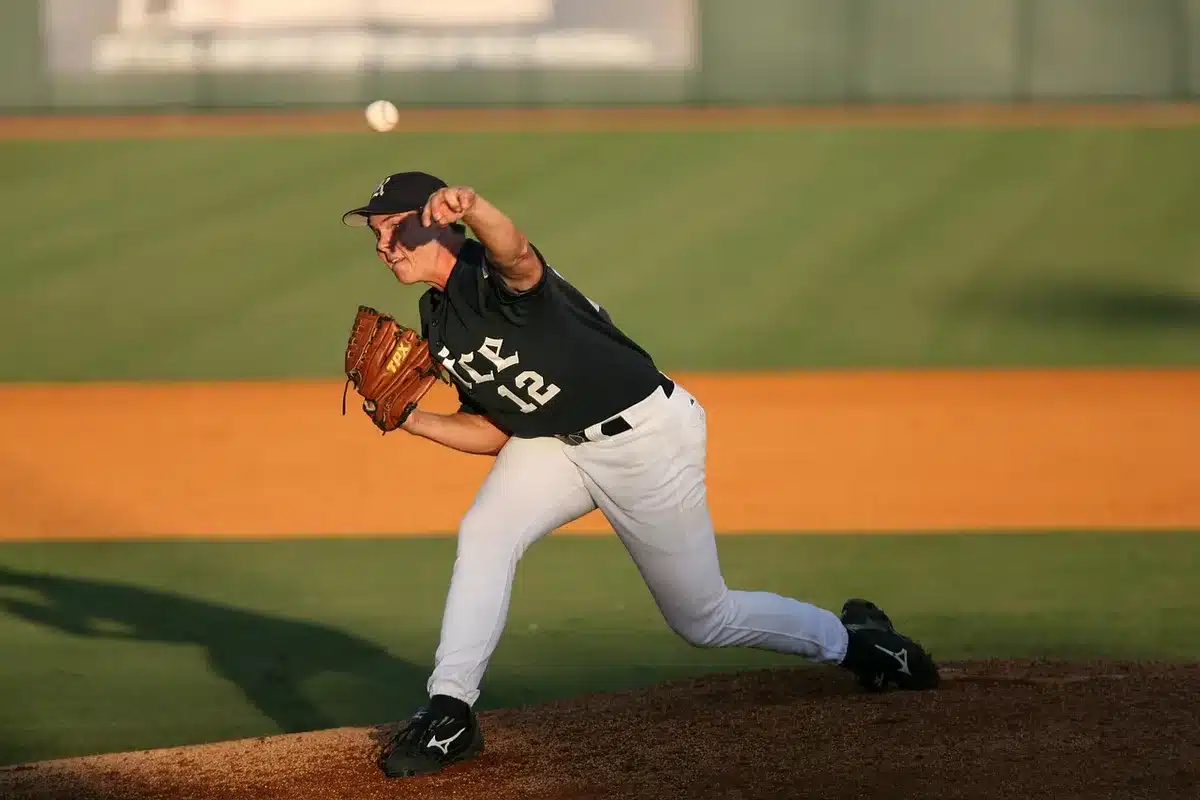
Relievers typically follow controlled throwing programs: some receive full, game-like sessions while others are kept on lighter routines to ensure arm health. The aim is to sustain a ready bullpen without overtaxing pitchers who could be critical in multiple games.
Scouting, analytics and matchup work
Coaches and analysts use extra time to deepen scouting reports on potential opponents. That includes refining game-plans based on handedness matchups, pitch-sequence tendencies and situational hitting patterns. Video breakdowns help identify small, exploitable trends.
Data teams also simulate likely lineups and pitching matchups. These simulations inform decisions about defensive shifts, bench construction and platoon options. The bye week is where strategic contingencies are tested and prioritized.
Reps without the pressure of a game
Managers often stage simulated games and controlled batting-practice sessions that mimic game intensity. These controlled environments allow hitters to work on timing and approach, while pitchers can practice specific sequences without the immediate consequences of a regular-season loss.
Fielders use intrasquad scrimmages to rehearse communication and positioning. Those repetitions can sharpen fundamentals and iron out issues that would be harder to fix during the daily grind of the regular season.
Roster housekeeping and contingency planning
The pause gives front offices time to finalize roster moves and clarify bench roles. Teams review medical reports and minor-league options to ensure they have the right mix of pitchers, defensive specialists and pinch-hitters available.
Decisions made during the bye week can affect the entire series. A late roster change due to improved health or a tactical addition can open new strategic possibilities for the manager.
Logistics and travel planning
Postseason travel is more complex than regular-season scheduling. Clubs coordinate travel itineraries, charter arrangements and hotel accommodations to minimize disruption and optimize rest. Teams also work with league officials to finalize start times and travel windows.
Preparing travel plans in advance helps preserve routines and reduces last-minute stress for players and staff. That stability can produce sharper performances once the games begin.
Fan implications: what supporters should watch
For fans, the bye week offers clues about how the team will approach the NLDS. Pay attention to bullpen activity, lineup tests in simulated games and any last-minute roster moves. These signals often indicate whether the club prioritizes starting pitching depth, bench versatility or late-inning matchups.
- Injury reports: Lightened workloads usually indicate players are being managed back to full strength.
- Pitching sessions: Full bullpen games suggest relievers are game-ready; short sessions imply cautious use.
- Roster changes: Additions or substitutions hint at strategic priorities for the series.
Why the bye week matters now
A strategic pause can be decisive in a short postseason series where a single game swings momentum. How the Brewers use this interlude will affect rotation timing, bullpen availability and lineup balance. Those factors, more than raw talent alone, often determine which teams advance.
Ultimately, a well-managed bye week can preserve health, sharpen game plans and give a team the small advantages that matter most when margins are thin.