Show summary Hide summary
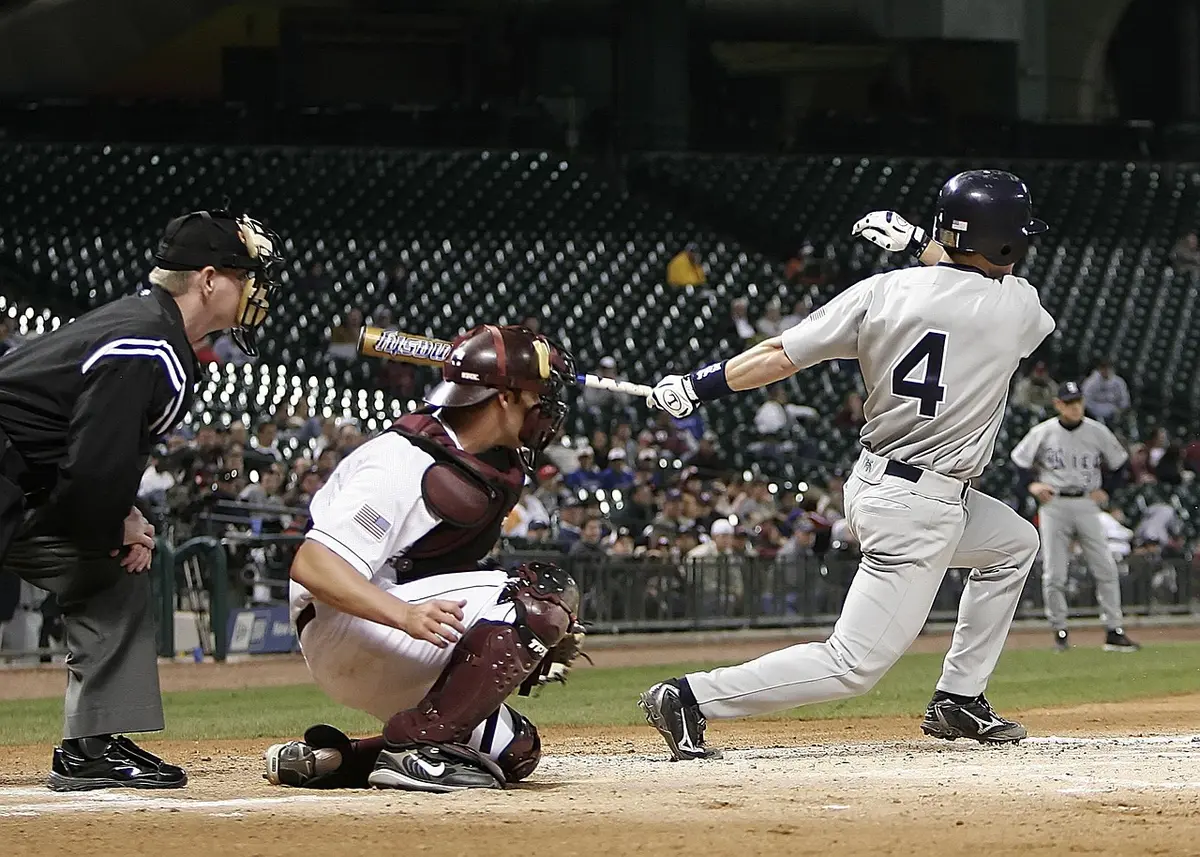
Despite solo shots from Fischer and Adamczewski, Biloxi fell short in Game One of the series on Sept. 20, leaving the Brewers’ Double-A affiliate searching for answers beyond the home-run power display. The loss underlined lingering pitching and situational-hitting issues that the club will want to address as the season winds down.
Game snapshot: offense showed up, results did not
The Shuckers’ lineup produced two clear highlights when Fischer and Adamczewski each cleared the fence, but those swings proved insufficient to carry the club to victory. The homers energized the home crowd and provided offensive momentum, yet the team could not convert that into a decisive lead.
NCAA files suit contesting Ohio governor’s order on fifth-year eligibility
Wisconsin’s homecoming matchup with Michigan State: three predictions

Across the rest of the game, timely hitting from the opposition and defensive miscues at inopportune moments prevented Biloxi from building on its power display. Pitching—both the starters’ ability to limit baserunners and the bullpen’s capacity to close innings—appeared as the decisive factor. Managers often point to those two areas at this stage of the year, and tonight they were central to the outcome.
Individual takeaways
Fischer’s and Adamczewski’s home runs were the clearest positive notes. Both swings demonstrated the sort of power the organization values as it evaluates talent for next season. For players at this level, isolated moments like these still matter; they can influence scouting reports and offseason plans.
Beyond the long balls, other hitters offered a mix of productive at-bats and frustrated outs. A handful of rallies failed to materialize into sustained innings, and situational hitting—advancing runners, hitting with two strikes—was inconsistent. Those small margins often decide tight minor-league contests.
Pitching: the deciding factor
Biloxi’s pitching staff struggled to contain the opposing lineup long enough for the offense to secure a lead. Whether it was command, pitch sequencing, or late-inning execution, the result was the same: runs allowed at critical moments.

For a development-focused club, these outings are more than losses on the ledger. They reveal which pitchers are ready to handle high-leverage situations and which still need refinement. The coaching staff will likely return to fundamentals and workload management as they map out the coming weeks.
Bullpen health and usage
How a team manages relief arms in September often shapes its immediate fortunes. Tonight’s bullpen usage suggests the staff was leaned on, and the result exposed some vulnerabilities. Those patterns will be monitored closely by player-development staff and could inform offseason decisions.
What this means for prospects and the organization
Long-term evaluation at Double-A balances raw performance with process. The homers by Fischer and Adamczewski will be logged as positive data points. Still, organizations place equal weight on consistency and situational awareness. Single games rarely define a prospect’s trajectory, but they can nudge perceptions.
Scouts and coaches are likely to highlight both the power on display and the areas needing improvement. Pitchers who allowed damage will be reassessed for mechanics and pitch mix. Hitters who produced power but struggled in other contexts may be asked to refine plate discipline and approach.
Looking ahead
The series continues, and Biloxi enters the next game with clear objectives: tighten pitching, manufacture runs beyond the long ball, and improve execution in late innings. Small adjustments over the next few games can change both the immediate standings and the developmental narrative for several players.
For fans and evaluators alike, the night offered a reminder that promising individual performances must sit alongside team fundamentals. Homers create excitement. But consistent wins are built on sustaining good at-bats and reliable pitching.