

Show summary Hide summary
- Late-season momentum: surface signs and deeper questions
- Starting pitching: quantity, quality and workload
- Relief corps: volatility and importance
- Offense: consistency versus streakiness
- Defense and fundamentals
- Health, fatigue and roster flexibility
- Managerial choices and postseason acumen
- Matchups and the road ahead
- Signs that the surge is sustainable
The Milwaukee Brewers have shown renewed urgency as the regular season nears its end, playing with clear intensity and focus. That surge raises a central question for fans and analysts alike: are the traits fueling this late push strong enough to carry the team through October baseball?
Late-season momentum: surface signs and deeper questions
Momentum can change the tone of a club’s entire postseason outlook. For the Brewers, a visible uptick in competitiveness — closer games won, energy on the basepaths, and sharper defensive plays — creates optimism. Yet momentum alone rarely wins October series.
NCAA files suit contesting Ohio governor’s order on fifth-year eligibility
Wisconsin’s homecoming matchup with Michigan State: three predictions
To assess whether this recent form can persist, it helps to separate short-term sparks from structural strengths. Which elements are sustainable, and which are likely to ebb when the intensity of playoff baseball arrives?
Starting pitching: quantity, quality and workload
Durable starting pitching is one of baseball’s most reliable postseason predictors. A rotation that can give the club consistent length each night reduces strain on a bullpen already taxed by playoff usage.
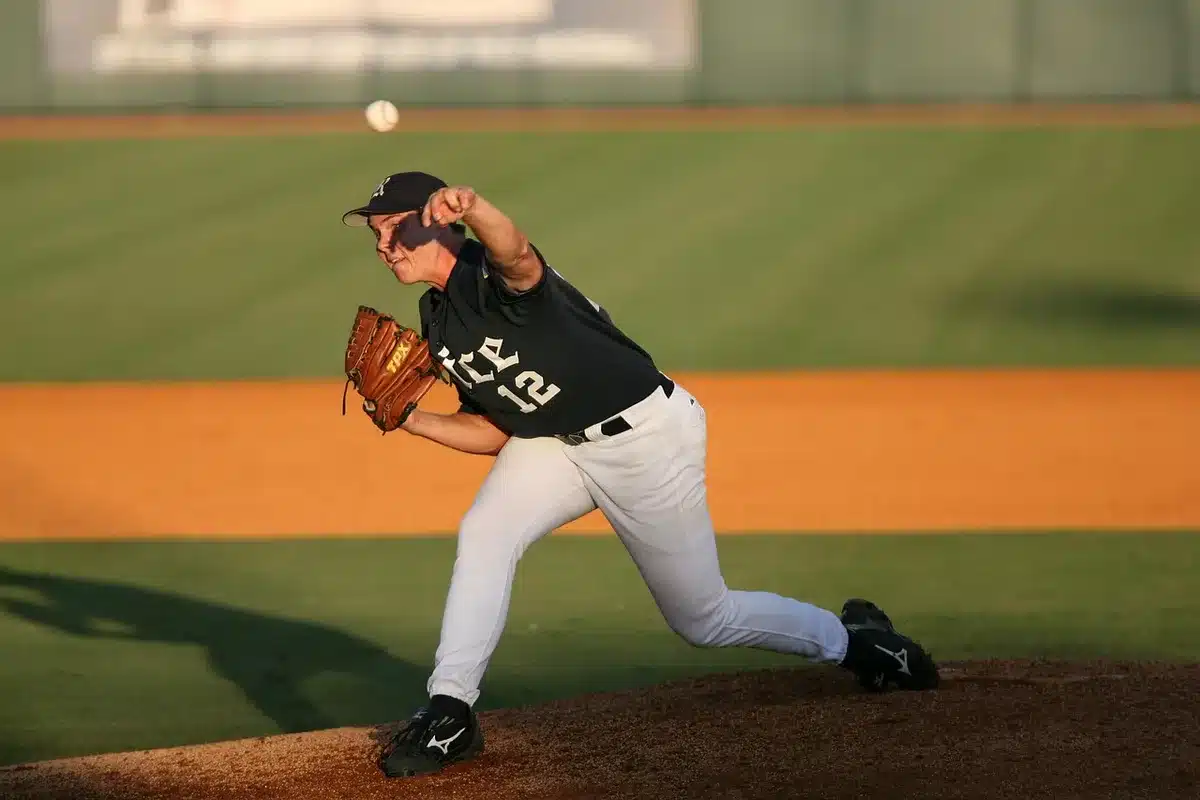
For the Brewers, the critical questions are about depth and innings capacity. Do they have enough reliable options beyond the top two starters? Can mid-rotation arms be trusted to navigate high-leverage playoff opponents? If answers are tentative, October becomes more dependent on short-rest bullpen plans.
Relief corps: volatility and importance
Bullpen performance swings quickly and can decide postseason series. Effective late-season relief usage — smart matchups, clear roles, and strategic sequencing — is essential.
Key concerns include workload management and the prevalence of high-leverage miscues. Even a bullpen that looks solid during August can unravel under October pressure if relievers are fatigued or overexposed.
Offense: consistency versus streakiness
Offensive balance matters more in the postseason than raw power or occasional bursts. Teams that produce consistently with runners in scoring position and avoid long scoring droughts typically fare better.
The Brewers’ ability to manufacture runs through a mix of situational hitting, plate discipline, and timely baserunning will determine whether their regular-season hot streak translates into October success. If the lineup is overly reliant on a few hot hitters, the sooner it faces a shutdown starting staff, the more vulnerable it becomes.
Defense and fundamentals
Small margins decide playoff games. Defensive plays that prevent extra baserunners and avoid costly errors are magnified under postseason scrutiny.
Improved infield communication, reliable outfield reads, and consistent execution on routine plays can give a pitching staff vital breathing room. Conversely, breakdowns in the field often turn manageable innings into momentum shifts for opponents.
Health, fatigue and roster flexibility
Injuries and fatigue are perhaps the most unpredictable factors as teams transition to October. Late-season wear and tear can force lineup changes and alter bullpen usage.
Roster flexibility — the ability to mix-and-match for matchups, provide pinch-hitting depth, and cover defensive needs — becomes invaluable. Clubs that can shuffle personnel without a steep drop in performance increase their chances of surviving a long postseason.
Managerial choices and postseason acumen
Managerial decisions grow in consequence in October. Pitching changes, bullpen sequencing, and pinch-hitting calls are scrutinized. Experience helps, but so does adaptability.
A front office that has prepared contingency plans for rotation disruptions or bullpen meltdowns will have an edge. The capacity to make quick, informed adjustments against high-quality opponents is a competitive advantage that isn’t always visible during the regular season.
Matchups and the road ahead
How the Brewers fare in October will hinge on matchups. A playoff draw against teams with dominant rotations or elite bullpen suites creates different challenges than a bracket filled with more inconsistent opponents.
Series length and where games are played also matter. Home-field conditions, travel demands, and the ability to limit opponent momentum swings all shape postseason outcomes.
Signs that the surge is sustainable
- Consistent multi-inning starts from a range of rotation arms.
- Reliable bullpen performance with clearly defined late-game roles.
- Balanced offensive production beyond a handful of streaky contributors.
- Low error rates and steady defensive execution.
- Roster health and flexibility to withstand short-term setbacks.
Short-term form has value, but sustainable postseason success depends on depth, durability and adaptability. The Brewers’ late push is promising. Whether it lasts through October will depend on how the club manages pitching workloads, maintains offensive balance, protects its health, and executes under playoff pressure.








