Show summary Hide summary
European club academies are reshaping the route to the NBA, producing high-level prospects who arrive in the U.S. more technically polished than many domestic recruits. That trend is visible in draft classes, rosters and even the way teams recruit and coach.
A pipeline built inside club academies
Top prospects in Europe typically grow up inside a single club’s system. Victor Wembanyama spent seven years with Nanterre 92, Luka Dončić entered Real Madrid’s academy at 13 and began playing for the club’s pro team at 16, and Deni Avdija joined Maccabi Tel Aviv at 12. Those long-term relationships are central to how clubs develop talent and, increasingly, to how the NBA sources players.

The numbers underline the shift: since 2015, 17 Europeans have been selected in the top 10 of the NBA draft, and dozens of Europeans now populate league rosters — 70 were on opening-day rosters this season. When a player moves from a European club to the NBA, clubs and teams must negotiate a transfer or a buyout. Dallas and Dončić paid more than $2 million to Real Madrid after the Mavericks drafted him, and Real Madrid has collected over $20 million in NBA buyouts since 2014.
NC State, Maryland and Baylor owe coaches more than $30 million after coaching changes
Badgers receiver Eugene Hilton Jr. says fan support grows with wins
How development differs
European youth programs emphasize collective play and long-term instruction. Players routinely train and compete against adults as teenagers, and practice schedules are intensive: Avdija’s academy sessions included morning individual development work and afternoon team practices six days a week, while competitive games often came only once per week.
That model contrasts with the American path, where development is fragmented across high school, AAU circuits and selective prep schools. Coaches and scouts cite less consistent team practice time in AAU and frequent transfers between programs. As Doug Gottlieb, now a Division I coach, puts it bluntly about frequent moves: “The only thing that should matter is his fucking development.”
Coaches who have worked in both systems point to practical differences in coaching pedigree and emphasis. “The structure’s different, the pedigree of the [youth coaches] was different,” Mike D’Antoni, who played and coached in Italy for two decades, told the outlet that reported on these trends. Drew Hanlen, a skills trainer for NBA stars, says European clubs tend to teach team concepts earlier, while U.S. development often focuses on individual scoring and showcasing.
Technical skills meet American athleticism
European players often arrive with advanced court vision, spacing awareness and decision-making. Nikola Jokić is a striking example: a 20-year-old rookie picked 41st, he arrived from Serbia with elite processing skills that helped offset his modest athletic testing — his vertical leap was measured at about 17 inches, roughly a foot below NBA averages. As a rookie, Jokić reportedly told a coach, “Coach, I can’t believe how easy this is coming for me.”
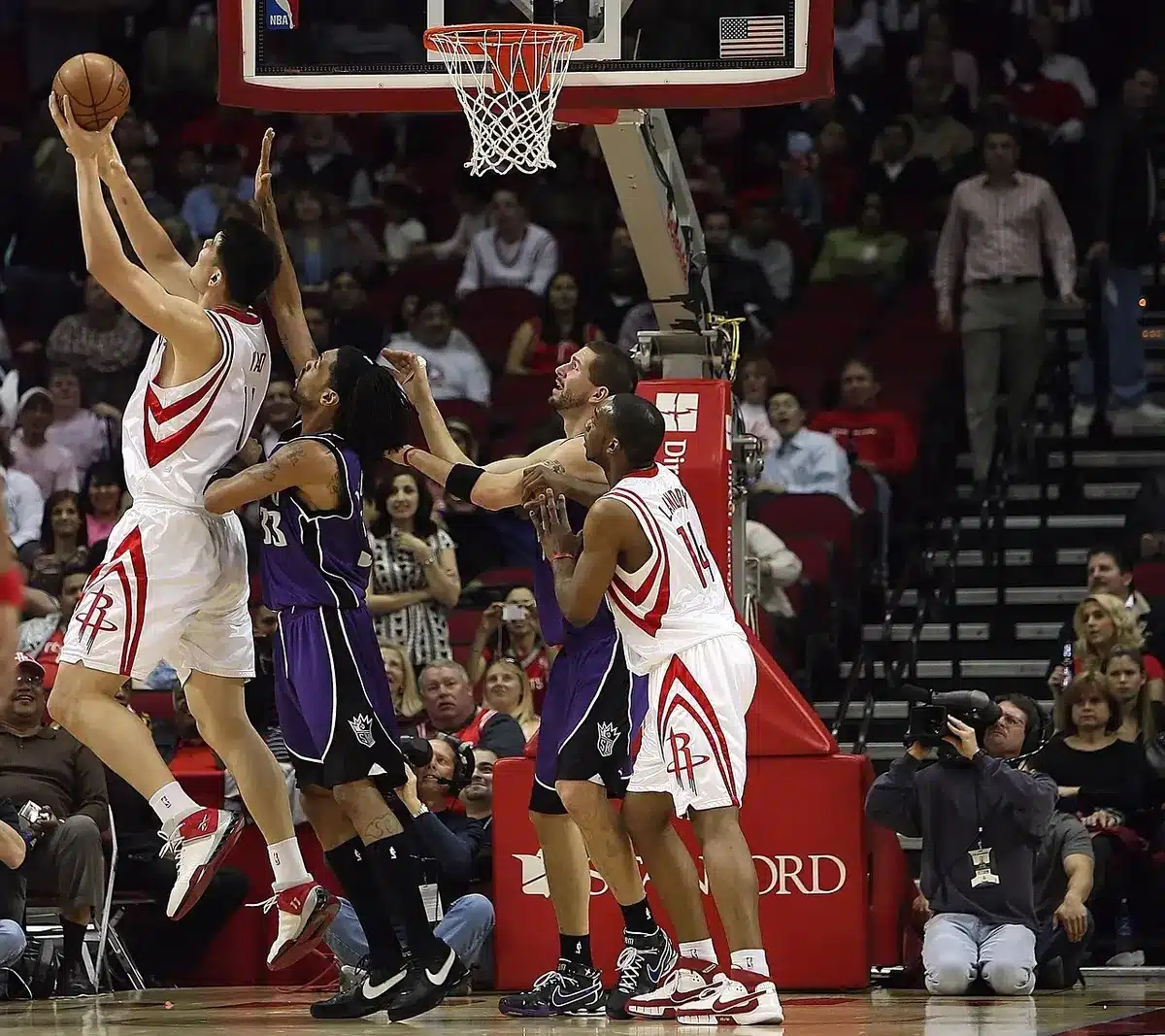
But the transition isn’t seamless for everyone. Scouts and coaches note that physicality and athletic development in the U.S. remain higher on average, and some Europeans need time to adapt. Egor Dëmin, developed in Russia and then in Real Madrid’s system, was bought out by BYU for more than $550,000 as part of an NIL arrangement before being taken eighth overall by the Nets in 2025; he has had to adjust to the league’s speed and strength despite his advanced pick-and-roll processing and passing.
The NBA’s changing style and recruitment
Strategic shifts in the NBA — more spacing, pace and ball movement — have made the league more receptive to international skill sets. Coaches such as Mike D’Antoni helped popularize faster, spacing-oriented offenses, and franchises including the Spurs and Warriors expanded on those principles. A director of international scouting told the reporting outlet that modern NBA schemes now favor qualities common among international players.
That success has produced institutional change. The proportion of NBA players born outside the United States rose sharply in recent years — from under 20% around 2010 to nearly one in three last season — and elite prospects of European origin now appear prominently in scouting rankings; four of ESPN’s current top five are European. Teams have responded by beefing up international scouting departments and expanding investment overseas, including high-profile initiatives such as NBA Europe.
Impact on college basketball
Collegiate rosters reflect the same trend. Nearly 40% of players on last year’s Final Four teams were born outside the U.S. or Canada. Between the 2009–10 and 2024–25 seasons, the number of men’s international college players rose by 482, with 326 more Europeans specifically — figures that illustrate growing international presence at the NCAA level.
Front offices, scouts and coaches now talk openly about the global nature of talent development. “The U.S. is by far the best basketball nation on this planet. Not even close,” one scout said. “But the rest of the world isn’t sleeping.”