
Show summary Hide summary
Northwestern christened its new $875 million stadium Friday with a 34–13 win over Penn State, but pictures of large empty sections sparked an online debate about the crowd. University and stadium officials say the 35,000-seat venue was sold out, noting many fans preferred watching the game from open concourses and private clubs rather than their assigned seats.
How the crowd looked — and why it mattered
Television cameras frequently showed broad stretches of the lower bowl with few people seated, and the visibly thinning crowd in the second half fueled questions about atmosphere and attendance. Still, the sideline-level student area known as the Wildcat Wall — a seatless, European-football–style section holding about 2,000 students — was full and drew praise from coach David Braun, who called the environment “electric.”
Wisconsin football sees players rise and fall after convincing win over USC
Tyler Herro’s late-game inconsistency keeps him from becoming a clear No. 1
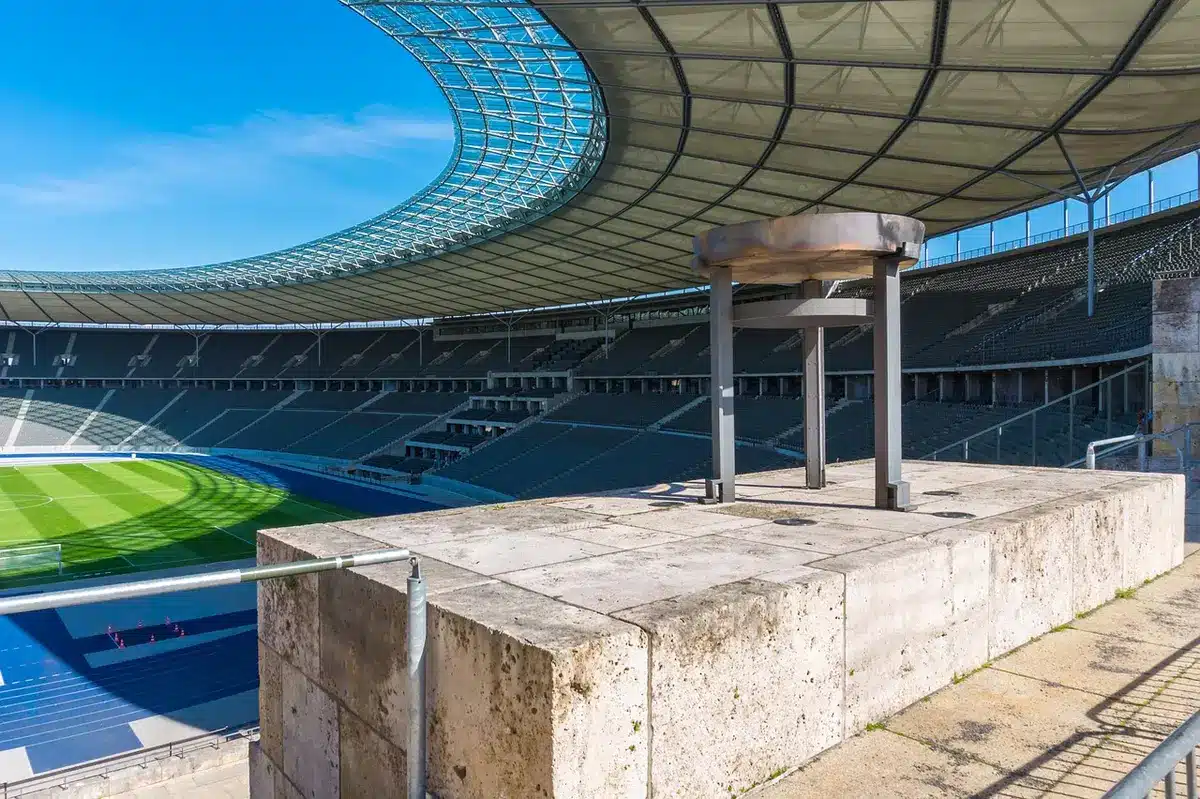
That contrast — packed student areas and busy concourses versus empty-looking lower rows — framed much of the discussion after the game. For some viewers, the empty seats suggested a lackluster debut. For officials, the picture was incomplete.
Officials and the stadium developer respond
Pat Ryan Jr., CEO of Ryan Sports Development, said the stadium had reached capacity the Monday before kickoff. He and university statements pointed to design elements that encourage movement and socializing, rather than lingering in one seat.
Northwestern’s promotional material for the venue highlights concourses that “open directly to the bowl,” meant to let fans grab food and drinks without missing plays. The facility also includes four premium clubs where patrons can watch the game away from the main seating bowls.
The coach’s perspective
Braun acknowledged the trade-off between comfort and home-field advantage. “You can still be completely engaged and a participant in the game from those areas,” he said, adding that he understands why fans choose to stand and socialize on the concourses.
He stressed, however, that louder, more disruptive crowds can affect the outcome of close plays. “I just want to make sure that our fans feel like they are active participants in the game and impacting the outcome of the game,” Braun said. “And whether you’re doing that from a front-row seat or from the concourse or whatever it looks like, what I do know is when that place is rocking on third and fourth down when we’re on defense, it helps us win football games.”
Operational hiccups on opening night
Beyond seating patterns, some logistical problems surfaced. A widely shared tweet showed members of the media in the press box standing or sitting on cardboard boxes to see the field clearly. Several attendees also reported inconsistent Wi‑Fi and cellular service inside the stadium.

Ryan attributed connectivity issues to particular service providers not fully equipping the site, rather than a facility-wide failure.
What’s next
Team and university officials described the opener as a strong start while acknowledging there is room to build a more intimidating home environment. Braun said the crowd already helped in certain moments but believes volume and coordinated noise can be increased to influence penalties such as offsides and false starts.
- Capacity: 35,000 seats.
- Wildcat Wall: Seatless student section, ~2,000 capacity.
- Design features: Concourses open to the bowl and four premium clubs.