
Show summary Hide summary
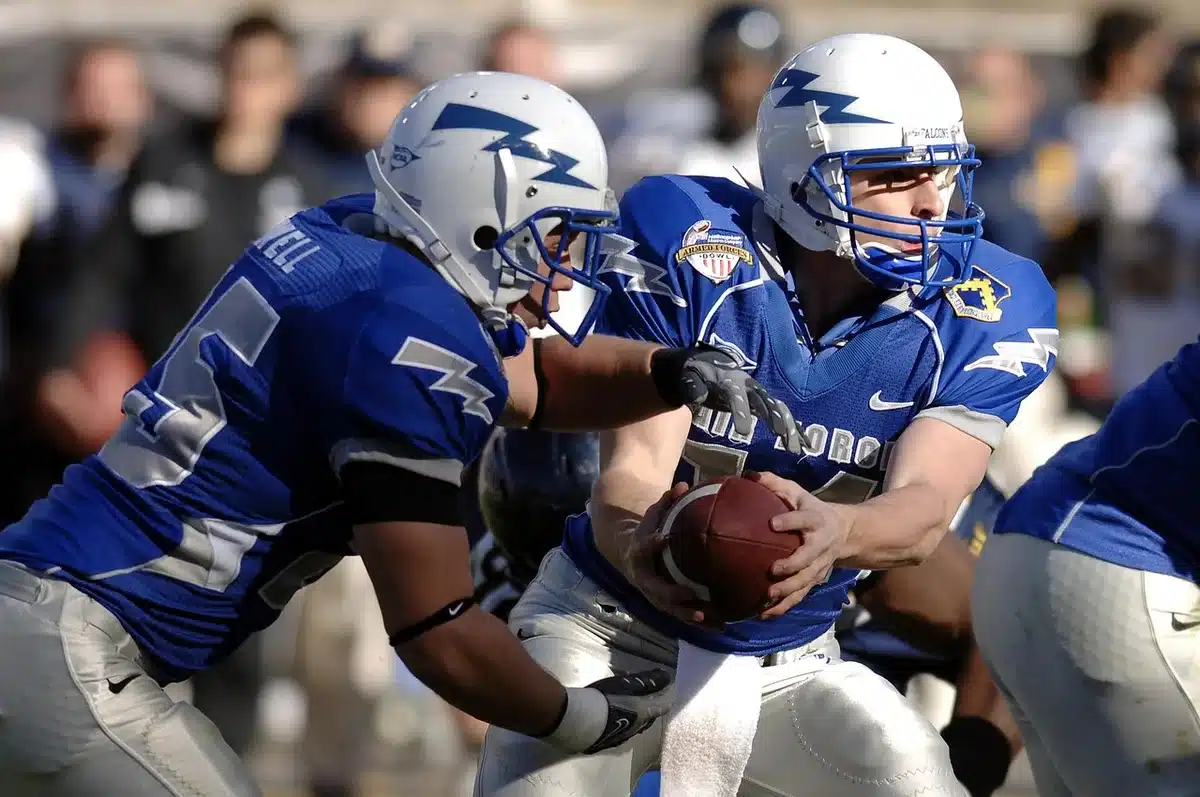
UCLA’s 4-0 start under first-year coach Bob Chesney has shifted expectations for the program. This Saturday’s trip to No. 13 Oregon is more than a test of form — it’s a chance for the Bruins to deliver their first marquee win under Chesney and to break a long streak without a road victory in Eugene.
A familiar blueprint
Oregon coach Dan Lanning has been vocal about the similarities between UCLA’s rise and a recent program turnaround. “We’re about to play a UCLA team that reminds me a lot of Indiana from last year,” Lanning said, noting the number of players who moved with their coach from James Madison.

Chesney’s arrival in Los Angeles followed a path increasingly common in college football: a head coach relocating with pieces of his previous staff and several players. After Curt Cignetti’s move from James Madison to Indiana — which, per the source, included a substantial contingent of staff and players and quick postseason success — Chesney brought roughly 17 colleagues and athletes to UCLA. That continuity helps explain the Bruins’ rapid cohesion early this season.
Wisconsin football sees players rise and fall after convincing win over USC
Tyler Herro’s late-game inconsistency keeps him from becoming a clear No. 1
Spending and organizational changes
The program’s quick improvement has been accompanied by significant financial shifts. UCLA’s coaching payroll jumped sharply: last season the head coach and two coordinators received a combined $5.4 million, while Chesney’s contract alone averages $6.75 million per year and his assistants are projected to earn a combined $17.3 million.
Those numbers sit against broader athletic-finance pressures. UCLA replaced its athletic director amid persistent deficits and seven straight years of negative balances. In the FY 2025 report, the football program’s total spending of $55.2 million ranked sixth among the conference’s 18 schools, yet donor contributions to football — $13.5 million — placed 14th and trailed the league median of $34.1 million.
That gap narrowed early in 2026 after two major gifts: a $9.6 million donation from alumnus Lawrence Layne and a $10 million gift from Angelo Mazzone III. The funds supported rapid staffing growth, including expanded recruiting operations and additional on-field and analytical coaches.
Staffing and roster moves
The coaching staff expanded notably. UCLA added eight staffers to recruiting, gave a substantial compensation boost to general manager Derrick Yray to bring him from Florida State, and increased the number of full-time assistants to 15 — three more than last season — alongside nine analysts and quality-control hires. The football operation now lists 65 employees, an increase of more than 50% year over year.
Those investments translated quickly into player movement. After Chesney’s hiring, UCLA’s transfer portal class ranked No. 11 by On3 and supplied key contributors: leading rusher Wayne Knight (James Madison), top receiver Semaj Morgan (Michigan) and leading tackler Sammy Omosigho (Oklahoma).
Recruiting momentum looks sustainable. Rivals currently ranks UCLA’s 2027 class 17th nationally, which would be the program’s best haul since 2016 if it holds.
Quarterback Nico Iamaleava credited the coach’s background when asked about the roster shift after the Maryland game. “I knew he was going to bring in some great character guys that want to win,” he said.
High stakes in Eugene
Saturday’s matchup has tangible consequences for both teams. For UCLA, Oregon is the highest-ranked opponent left until the regular-season finale against No. 19 USC. A victory in Eugene would position the Bruins favorably for the remainder of the schedule.
Oregon, meanwhile, would gain momentum and a stronger standing after an uneven start that included a 39–31 defeat to Oklahoma State in Week 2. The Ducks’ remaining ranked opponent on the slate is No. 5 Ohio State.
This meeting also holds personal resonance for Chesney: he faced Oregon last season while at James Madison, in a College Football Playoff matchup that ended in a 51–34 win for the Ducks. And historical context is on the line for UCLA — the program has not won in Eugene since 2004.